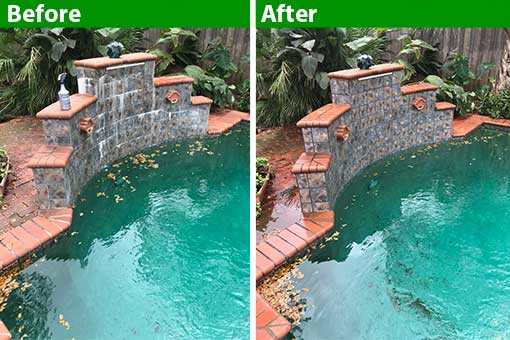
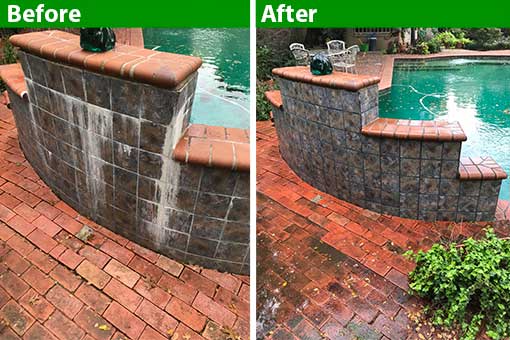
Pool maintenance and cleaning is critical to the health of swimmers and to prolonging the life of the equipment. Among the various chemicals used in cleaning and descaling, descaling acids have a special place. These materials are specifically designed to remove limescale, rust, grease, and dirt from pool surfaces and equipment. In this article, we will provide a comprehensive overview of pool descaling acids, from their installation and applications to safety and use tips Right.
What is dechlorinating a pool?
descaling acid is a powerful chemical solution specifically designed for descaling and cleaning . Typically made from mineral acids or weak acidic compounds, it can completely dissolve calcium and magnesium deposits that form when hard water comes into contact with surfaces.
Some of the most important features of the acid chlorine remover are:
-
Highly effective in dissolving lime and chalk deposits.
-
Removes yellow and brown stains caused by rust.
-
Improving the efficiency of swimming pool water purification systems
-
It prevents sediment from shortening the life of the equipment.
Why is dechlorinating acid used in swimming pools?
Pool water, especially in areas with hard water, can accumulate over time on tiles, walls, pipes, and fittings. This not only makes pools dull and ugly, but can also cause the following problems:
-
Reduced pump and filter efficiency due to clogged water lines
-
Higher energy consumption because the pump has to generate more pressure to move the water
-
The accumulation of microorganisms in the sediment leads to the growth of algae and bacteria.
-
Metal equipment damage and increased risk of corrosion
Therefore, the regular and initial use of hydrochloric acid for swimming pools can not only make the pool water beautiful and clear, but also reduce maintenance costs significantly.
Purpose of Chlorination in Swimming Pools
Chlorinated acid can be used in different areas of your pool:
-
pool : wall and floor tiles remove white and calcareous stains caused by calcium deposits.
-
Water Circulation System Pipes and Fittings: Removing Clogs and Improving Water Flow
-
Heat Exchangers and Boilers : How to Prevent Loss of Efficiency Due to Limescale Formation
-
Metal surfaces around the pool : Removing rust and stains caused by oxidation
-
Auxiliary equipment such as sand filters and pumps : extend service life and improve efficiency
The Right Way to Use a Chlorine Remover in Swimming Pools
Using this substance requires caution and following the instructions. The general steps are as follows:
-
Emptying the pool or separating the parts to be cleaned.
-
Diluted solution: Mix the descaling acid with water, depending on the amount of limescale (usually a ratio of 1 to 3 or 1 to 5 is recommended).
-
Apply the solution to the desired surface using a brush or spraying directly.
-
Standby time: Leave the solution on the surface for several minutes to dissolve the sediment.
-
Rinse thoroughly with water to remove any residue.
-
If the solution gets into the water, adjust the pH of your pool, as too much acidity can be harmful to swimmers.
Safety Tips When Using Acid Dechlorination
Since this material is highly corrosive, it is important to follow the following safety precautions:
-
Wear gloves, goggles, and a safety mask while working.
-
Avoid mixing dechlorinated acid with other chemicals , especially those containing chlorine (risk of producing toxic gases).
-
Use in a well-ventilated environment.
-
Store in an airtight container and keep out of reach of children.
-
Dilute acid with water properly: Always add acid to water, not the other way around.
Advantages of using acidic dechlorinating agents compared to traditional methods
-
Strong and high-speed sediment melting
-
Reduced maintenance costs due to reduced equipment failures
-
Excessive mechanical wear is not required to avoid damaging the tiles.
-
Extend the life of your pool by maintaining the quality of its surface and equipment
Difference Between Chlorinated Acid and Other Acids
Some may think that using an acid such as hydrochloric acid (HCl) is sufficient to remove limescale. However, it is important to note that descaling acids are specifically designed for swimming pools. Despite their strength, they are less harmful to tile surfaces and fixtures. On the other hand, stronger and non-specific acids can damage the plaster, cause metal corrosion, and even discolor surfaces.
How to Choose the Best Chlorine Remover for Swimming Pools
Please note the following when purchasing this product:
-
Standard Chemical Composition of Swimming Pools
-
A well-known brand with a long history in the pool chemicals sector.
-
Secure and leak-proof packaging
-
Clear instructions on the product.
Conclusion
descaling acid is an essential and widely used chemical to maintain the quality and clarity of a swimming pool. Its strong ability to remove limescale and rust directly affects the water quality and lifespan of the pool equipment. Of course, proper use and adherence to safety precautions are critical to ensure safe and efficient operation. If you want to reduce maintenance costs and improve the appearance of your pool, regular use of descaling acid may be is the perfect choice.