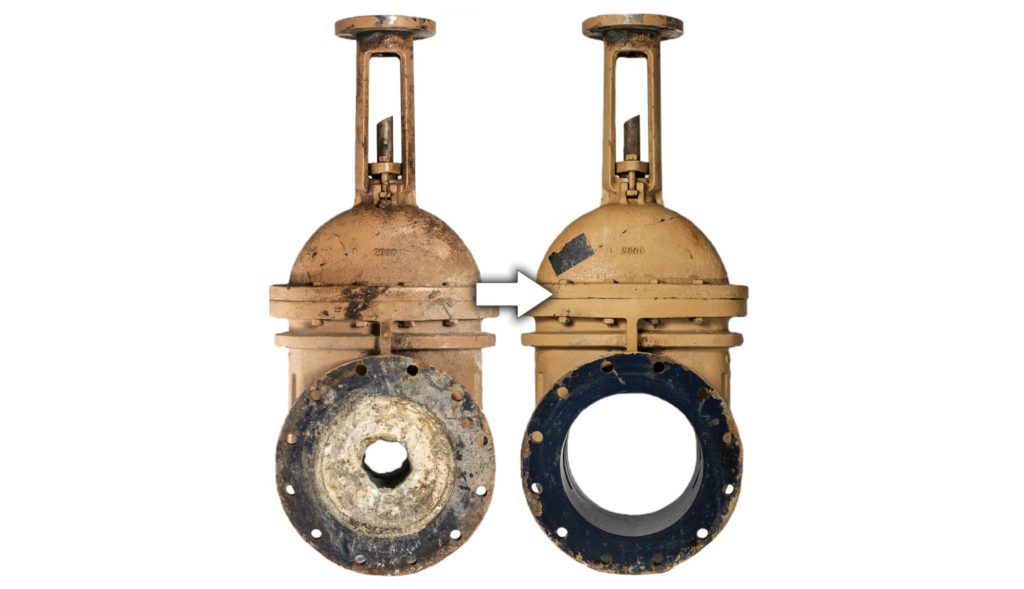
Surfactant descaling refers to the process by which various deposits and contaminants are cleaned from surfaces. Wetting agents play a key role in reducing the surface tension between a liquid and a solid, and are therefore widely used in cleaning and descaling processes. In this article, we will review descaling methods using surfactants, their applications, and environmental impacts.
Introduction to Wetting Agents
Wetting agents or surfactants are substances that improve contact between two different phases (liquid-liquid, liquid-solid, liquid-gas) by reducing the surface tension between them. Due to their unique properties, these substances are used in various industries including cleaning, water treatment, oil and gas, agriculture, and the production of detergent products.
Mechanism of action of wetting agents
Wetting agents have a specific molecular structure that consists of two parts: hydrophilic (polar) and hydrophobic (nonpolar). The hydrophilic part of these substances binds to liquids (such as water) and the hydrophobic part binds to oils and fats. These properties allow wetting agents to remove oils and grease deposits from surfaces and dissolve them in liquids.
Descaling methods for wetting agents
1. Mechanical descaling
In this method, mechanical tools and equipment such as brushes, sponges, and scrubbers are used to remove deposits. Wetting agents act as an aid in reducing surface tension and facilitating the cleaning process. This method is suitable for cleaning hard and resistant surfaces.
2. Chemical descaling
In this method, special chemicals such as acids, alkalis and solvents are used to dissolve and remove deposits. Wetting agents act as auxiliary agents in increasing the efficiency of the chemicals and improving the descaling process. This method is suitable for removing hard and resistant deposits.
3. Descaling using solvents
In this method, special solvents are used that have the ability to dissolve deposits and fats. Wetting agents act as auxiliary agents in increasing the efficiency of the solvents and facilitating the descaling process. This method is suitable for removing organic deposits and fats.
4. Descaling using ultrasonic waves
In this method, ultrasonic waves are used to create vibrations and break up deposits. Wetting agents act as auxiliary agents in reducing surface tension and improving the cleaning process. This method is suitable for cleaning sensitive surfaces and complex equipment.
Applications of wetting agents in descaling
Due to their special properties, wetting agents have a wide range of applications in various descaling processes. Here are some of these applications:
1. Oil and gas industries
In the oil and gas industry, wetting agents are used to remove deposits and contaminants from pipes, tanks, and equipment . These agents can help maintain equipment efficiency and extend its useful life.
2. Water purification
In water treatment processes, wetting agents are used as auxiliary agents in the removal of various sediments and contaminants from water. These materials can help improve the quality of the treated water and reduce treatment costs.
3. Production of detergent products
Wetting agents play a key role in the production of detergent products. They can help increase the effectiveness of detergent products and improve the cleaning process. Wetting agents are used in various products such as dishwashing liquid, detergent powders, and cleaning agents.
4. Agriculture
In agriculture, wetting agents are used as adjuvants to improve the distribution and absorption of various chemicals, such as pesticides and fertilizers. These materials can help increase the efficiency of agricultural products and reduce production costs.
Environmental impacts of wetting agents
Due to their specific properties, wetting agents can have various environmental impacts. Here are some of these impacts:
1. Water pollution
Improper use of wetting agents can lead to contamination of water resources. These agents can leach into surface and groundwater and cause various types of contamination. Therefore, proper use and management of wetting agents is of utmost importance.
2. Impacts on aquatic life
Wetting agents can be hazardous to aquatic life. If these agents are released into the environment, they can harm aquatic life and other living organisms. Therefore, the release of wetting agents into the environment should be avoided.
3. Effects on human health
Improper use of wetting agents can also pose risks to humans. These agents can damage the skin, eyes, and respiratory tract. Therefore, it is essential to use appropriate protective equipment and follow safety guidelines.
Methods for managing and reducing the environmental impacts of wetting agents
1. Proper waste management
Proper management of waste containing wetting agents can help reduce the environmental impact of these materials. This includes the proper collection, storage, and disposal of waste containing wetting agents.
2. Use of protective equipment
Wearing appropriate protective equipment, such as gloves, goggles, and respirators, can help reduce the risks associated with using wetting agents. Employees should also receive training on the safe use of these agents.
3. Use of alternative materials
In some cases, alternative materials with a lower environmental impact can be used instead of wetting agents. These materials can include less corrosive chemicals.
Conclusion
Surfactants play an important role in descaling and cleaning processes due to their unique properties. However, improper use of these substances can lead to environmental and human impacts. To reduce these impacts, it is essential to properly manage waste, use appropriate protective equipment, and use alternative materials with less environmental impact. By following these tips, you can reap the benefits of surfactants while simultaneously reducing their environmental impact.