Inhibitors are chemicals used to reduce or prevent adverse reactions in chemical processes. These substances can play an important role in industries such as oil and gas, automotive, pharmaceuticals, and many others. This article will examine the different types of inhibitors and their applications.
Types of protective materials
- Corrosion Inhibitors :
- Definition : Materials used to prevent corrosion of metals.
- Applications : Oil and gas industries, water purification, automotive.
- Examples : phosphates, chromates, nitrites.
- Enzyme Inhibitors :
- Definition : Substances that reduce or stop the activity of enzymes.
- Applications : Pharmaceuticals, biological research.
- Examples : antibiotics, ACE inhibitors.
- Polymeric protective materials (Polymerization Inhibitors) :
- Definition : Substances that prevent undesirable polymerization.
- Applications : Plastics industries, chemical production.
- Examples : Hydroquinone, BHT.
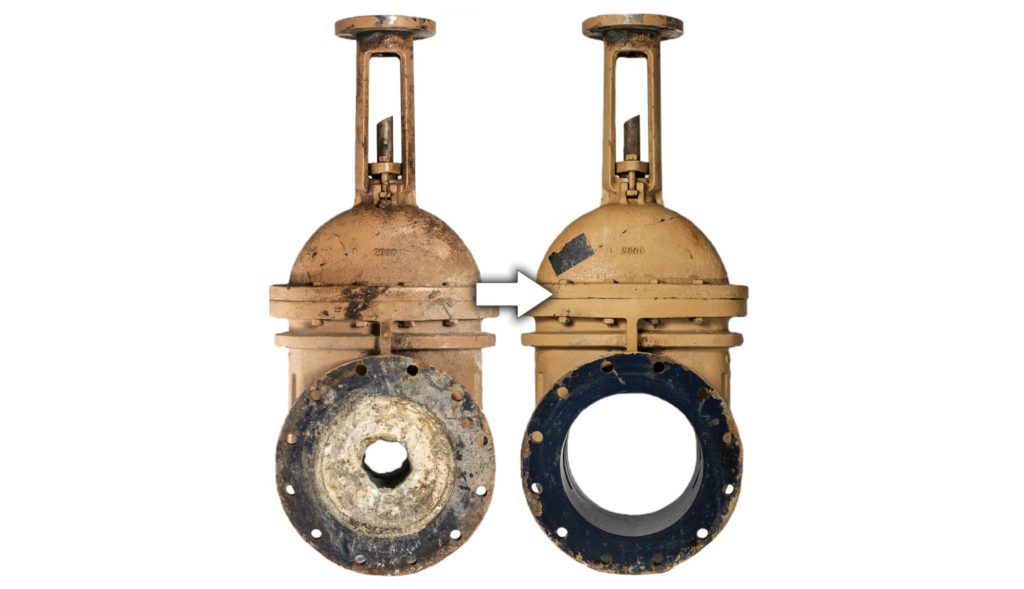
- Scaling Inhibitors :
- Definition : Substances that reduce the formation of sediment in aquatic systems.
- Applications : Water purification, ventilation systems.
- Examples : polyphosphates, polycarboxylates.
How protective materials work
- Corrosion : Corrosion protective materials prevent the metal from reacting with the environment by forming a protective layer on the surface of metals.
- Enzymes : Enzyme protectants prevent enzymatic reactions by binding to the active sites of the enzyme.
- Polymerization : Polymeric preservatives prevent the initiation of polymerization reactions by reacting with free radicals.
- Scaling : Scaling preservatives reduce scale formation by changing the chemical properties of the water.
Advantages and disadvantages of using protective materials
- Advantages :
- Increased equipment life : By reducing corrosion and deposits, the useful life of equipment is increased.
- Cost reduction : By preventing damage caused by corrosion and deposits, maintenance costs are reduced.
- Improved process performance : By reducing chemical barriers, the overall performance of systems improves.
- Disadvantages :
- Initial cost : Purchasing and using protective materials may initially cost more.
- Environmental effects : Some preservatives may be harmful to the environment.
- Continuous monitoring : To ensure the effectiveness of protective materials, systems must be continuously monitored.
Conclusion
Protective materials play a very important role in maintaining and improving the performance of industrial equipment . By choosing and using these materials correctly, many benefits can be experienced, including cost reduction, increased equipment life, and improved process performance. However, the potential disadvantages and environmental impacts of these materials should also be considered.